

About us
Our website is dedicated to providing comprehensive information about vitamins, minerals, proteins, and other essential nutrients that are vital for maintaining optimal health. Our mission is to educate and empower our visitors to make informed decisions about their health and wellness by providing up-to-date information on types and quality of nutritional supplements.
At VitaminsMineralsProteins.com, we understand the importance of nutrition in maintaining a healthy lifestyle. Our team of experts is dedicated to providing you with the latest research and advice on how to achieve optimal information on use of health supplements. We also offer information on wide range of nutritional supplements that are designed to help you achieve your health goals, whether you’re looking to boost your immune system, improve your energy levels, or enhance your athletic performance.
Our website is designed to be user-friendly and easy to navigate, so you can quickly find the information and products you need. Whether you’re a fitness enthusiast, a health-conscious consumer, or just looking for reliable information about nutrition, VitaminsMineralsProteins.com has everything you need to achieve your health and wellness goals. So, take a look around, explore our resources, and discover a healthier, happier you!
Why choose us?
As an enthusiasts; focused on vitamins, minerals, and proteins our intention is to provide information on the role of these essential nutrients in maintaining a healthy and balanced diet. We want to bring to the people a research-based information on the importance of these nutrients in supporting various bodily functions and preventing nutrient deficiencies.
In addition, we intend to offer resources for individuals with specific dietary needs, such as vegans or individuals with food allergies or intolerances. We are open to collaborate and feature recipes and meal plans that are rich in nutrients, as well as supplement the needs of those who may need additional nutrient support.
Our idea is to introduce a website dedicated to vitamins, minerals, and proteins to provide valuable resource for anyone looking to optimize their nutrient intake and maintain a healthy diet.
It is important to consult with a healthcare professional before making any significant changes to your diet or lifestyle.



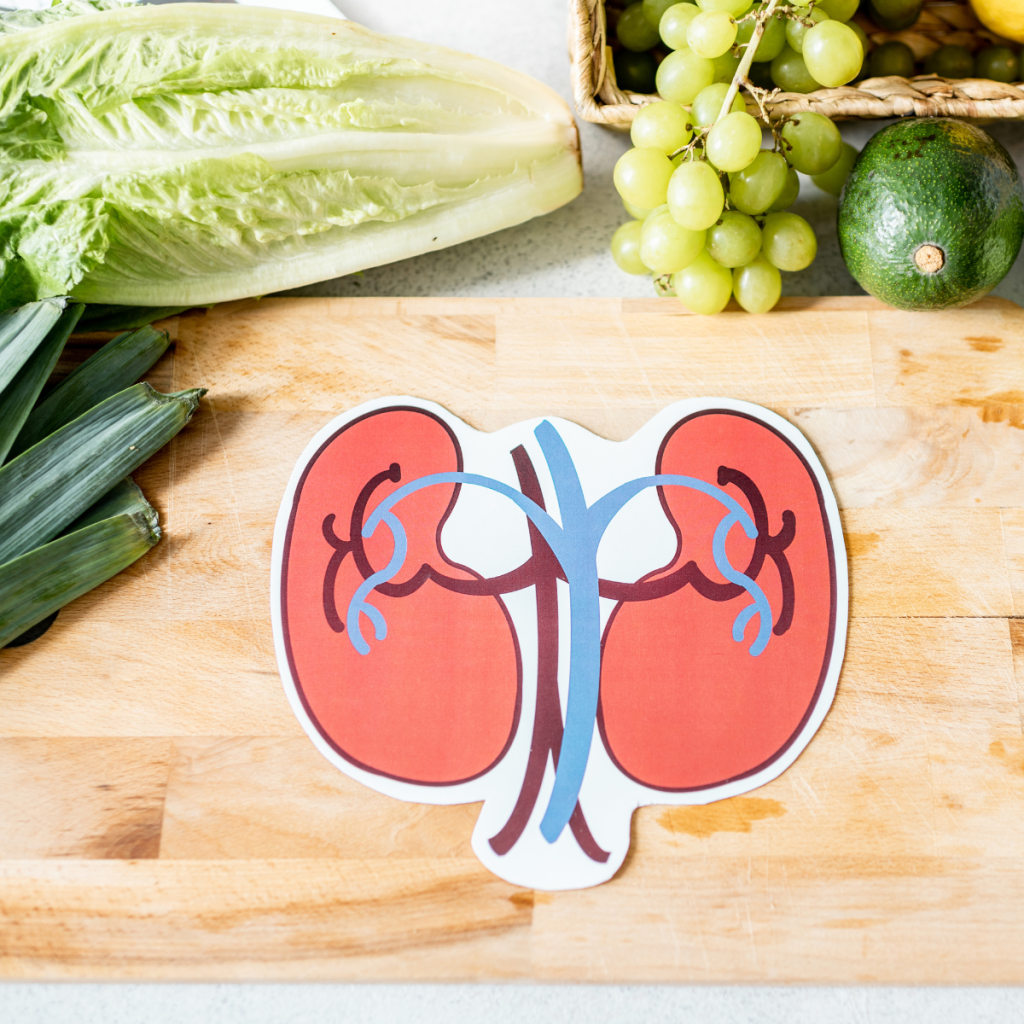
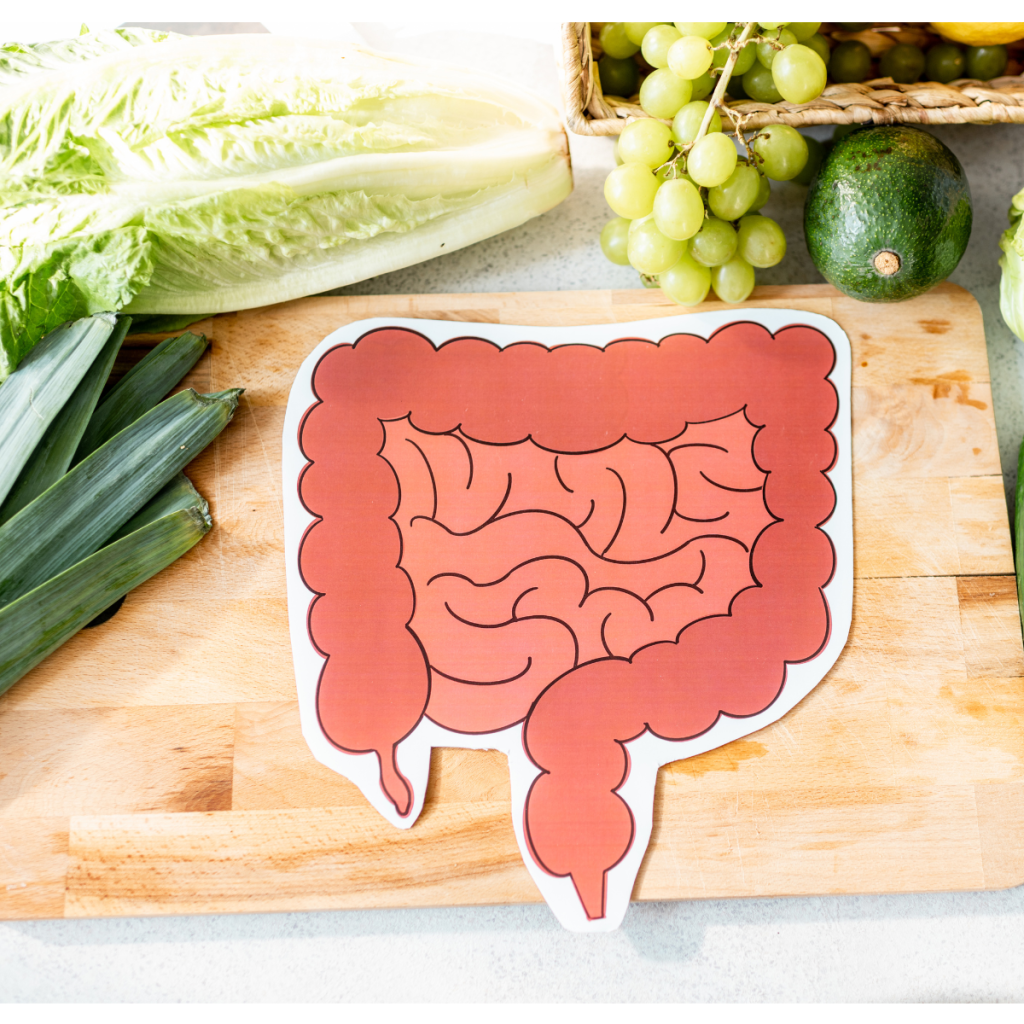

Top Immune-Boosting Foods to Include in Your Diet
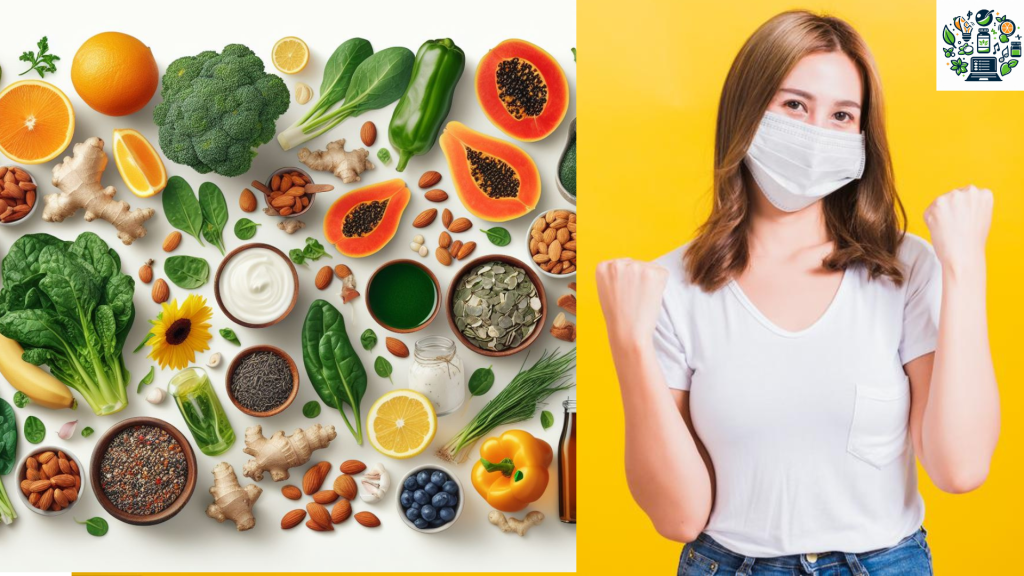
A variety of foods rich in vitamins, minerals, and antioxidants that can help strengthen the immune system.” Your immune system is your body’s defense against infections and diseases. It helps you fight off harmful germs and viruses that can make you sick.
The Role of Protein in Muscle Building and Recovery.
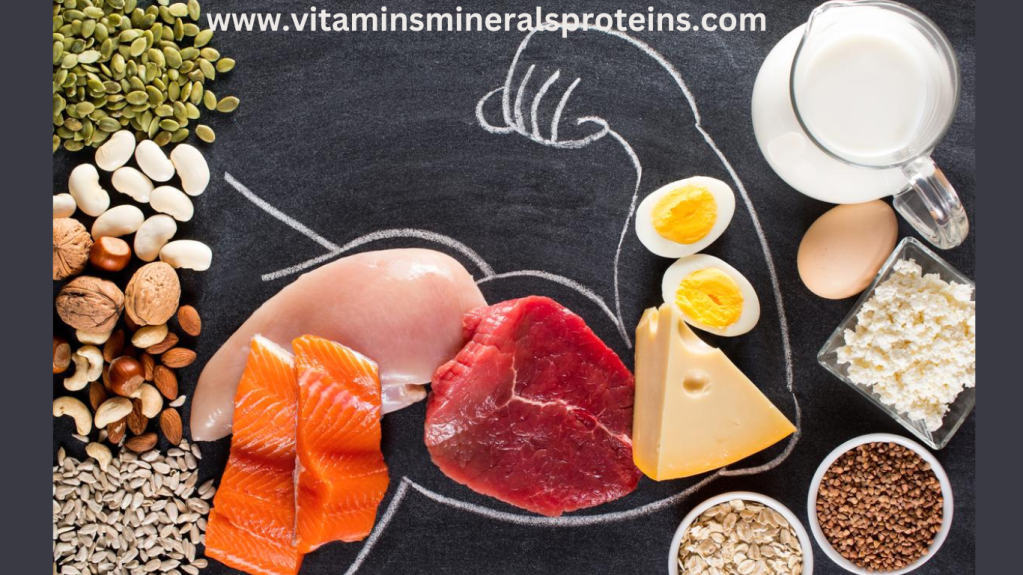
Protein plays a vital role in post-workout recovery and muscle growth, aiding in muscle repair and preventing fatigue. How much protein you need post-workout depends on your exercise, body weight, and overall protein intake.
The Role of Vitamins in Immunity: What You Need to Know
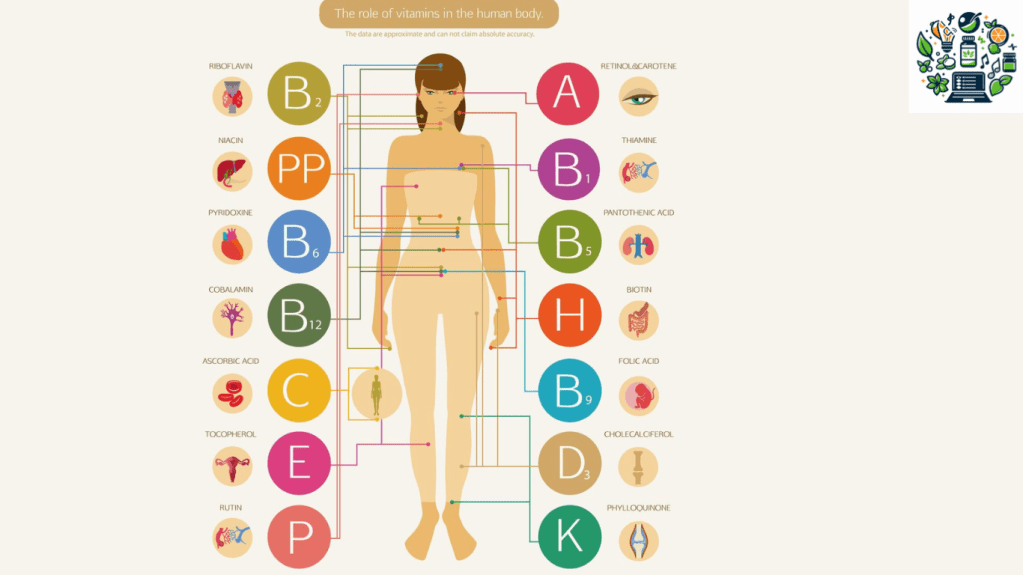
Explore specific vitamins like Vitamin C, D, and Zinc, and explain how they contribute to immune health. Include dietary sources and potential supplements. Introduction Your immune system is your body’s defense against infections and diseases. It consists of a complex network of cells, tissues, and organs that work together to protect you from harmful invaders.
Vitamin Supplements: Do You Need Them, and How to Choose Wisely
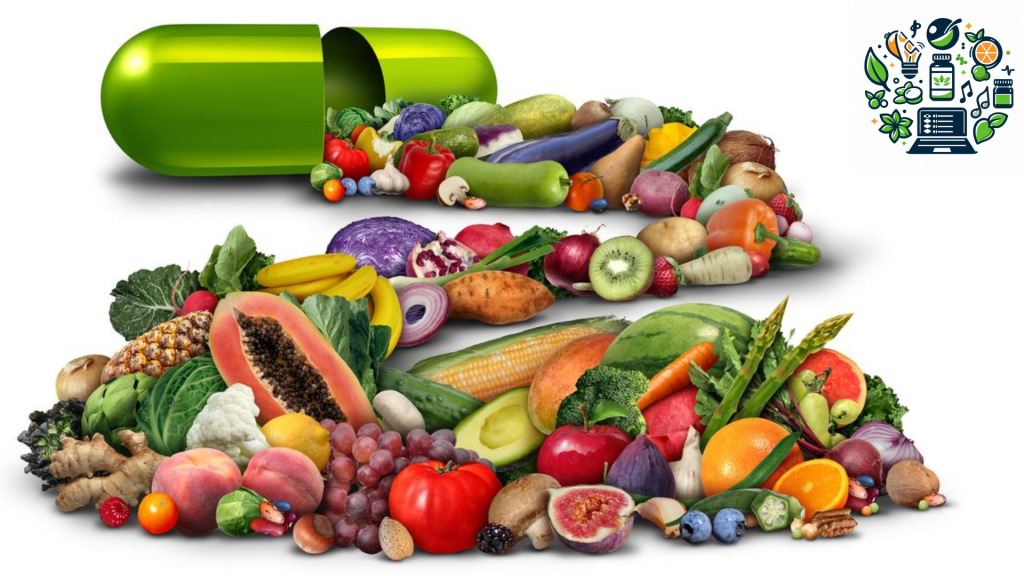
A guide to understanding when and how to use vitamin supplements effectively. In our fast-paced lives, juggling work, family, and personal commitments can often take precedence over maintaining a consistently balanced diet. This compounded by dietary restrictions, underlying health conditions, and lifestyle choices can leave many of us with vast nutritional gaps.
Protein 101: Why Your Body Needs It and How to Get Enough

The importance of protein in the diet and examples of protein rich diets. In the realm of nutrition, few nutrients are as widely discussed and essential as protein. Protein is often hailed as the building block of life, and for good reason. This macronutrient plays a fundamental role in maintaining health, vitality, and overall well-being.
The A to Z of Vitamins: Their Importance and Sources
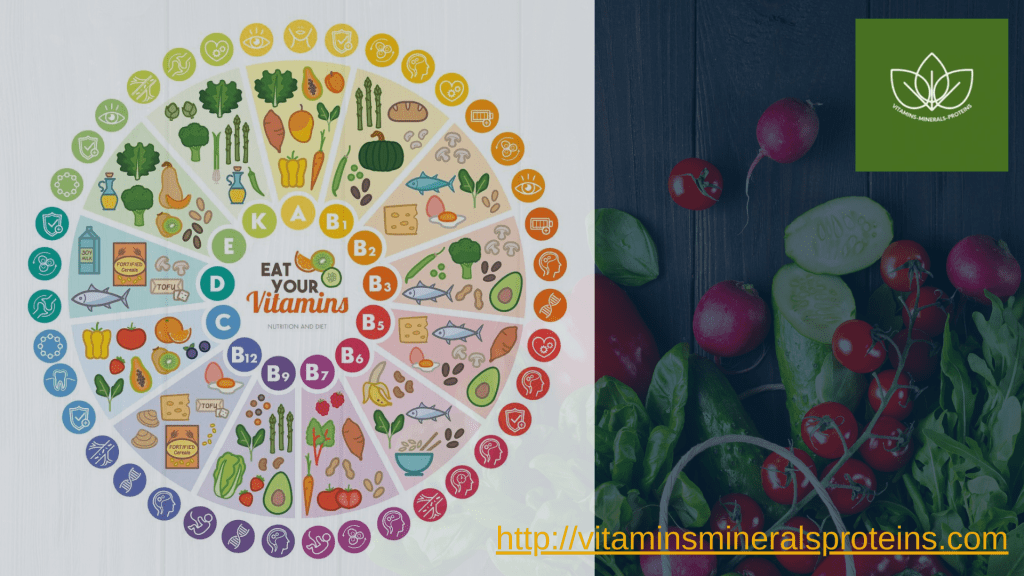
In the realm of nutrition, vitamins stand as the bedrock of our health. These essential nutrients play a multitude of roles, influencing various aspects of our well-being, including metabolism, immunity, growth, and development. While some vitamins are synthesized within our bodies, others require external sources – either through our diet or supplements.
Vitamin C: The Immune-Boosting Superhero Nutrient
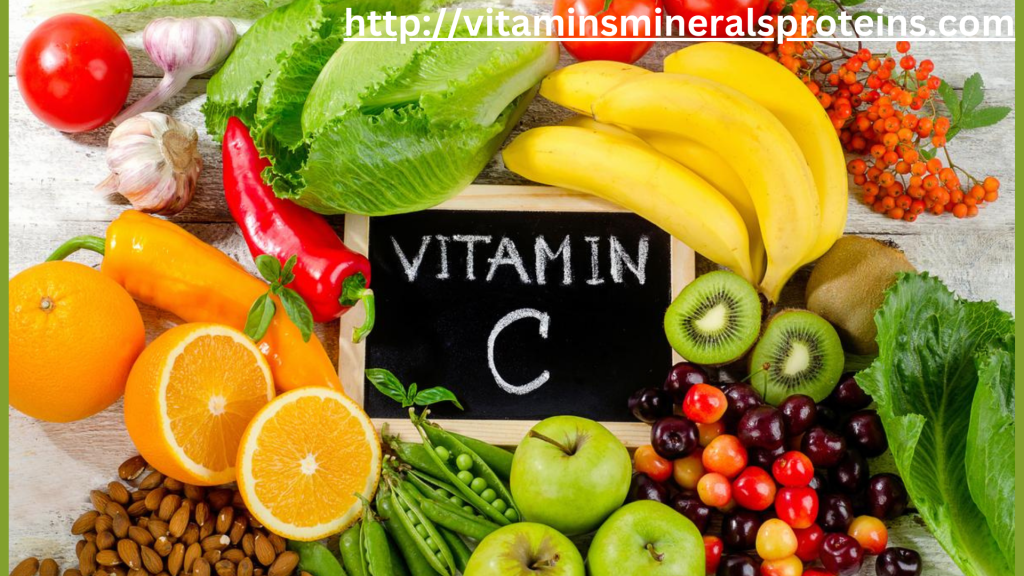
In today’s fast-paced world, staying healthy and maintaining a robust immune system is a top priority. Enter vitamin C, a nutrient often touted as a superhero in the realm of immunity. It’s a water-soluble vitamin with a diverse range of functions within our bodies, not limited to just immune support.
B Vitamins: Energy Boosters and Mood Enhancers
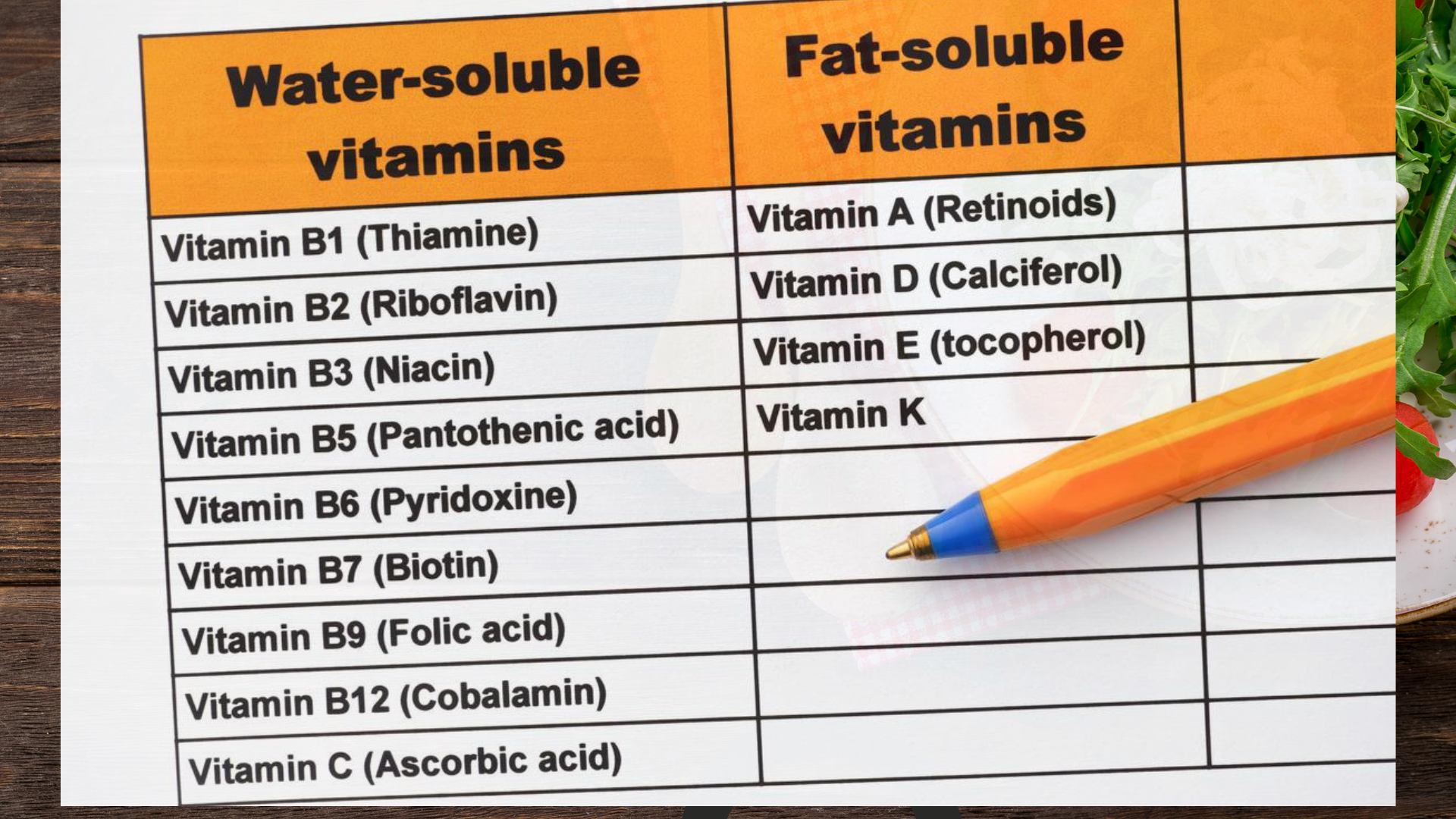
Explore the different B vitamins and how they contribute to energy production and emotional well-being. In the hustle and bustle of our daily lives, it’s not uncommon to feel fatigued, stressed, or even a bit down at times. Before you chalk it up to a hectic schedule or the pressures of modern living, consider this: your body might be missing some essential nutrients.
Vitamin D2 vs Vitamin D3: Which is More Effective for Health?

Are you getting enough Vitamin-D? It’s a question many of us ask ourselves, especially during the winter months when sun exposure is limited. Vitamin D is crucial for maintaining healthy bones, supporting the immune system, and even reducing the risk of certain diseases. But did you know that there are different types of vitamin D? Enter vitamin D2 and vitamin D3, two forms of this essential nutrient that are often found in supplements.
Vitamin D’s Latest Discoveries in Promoting Health
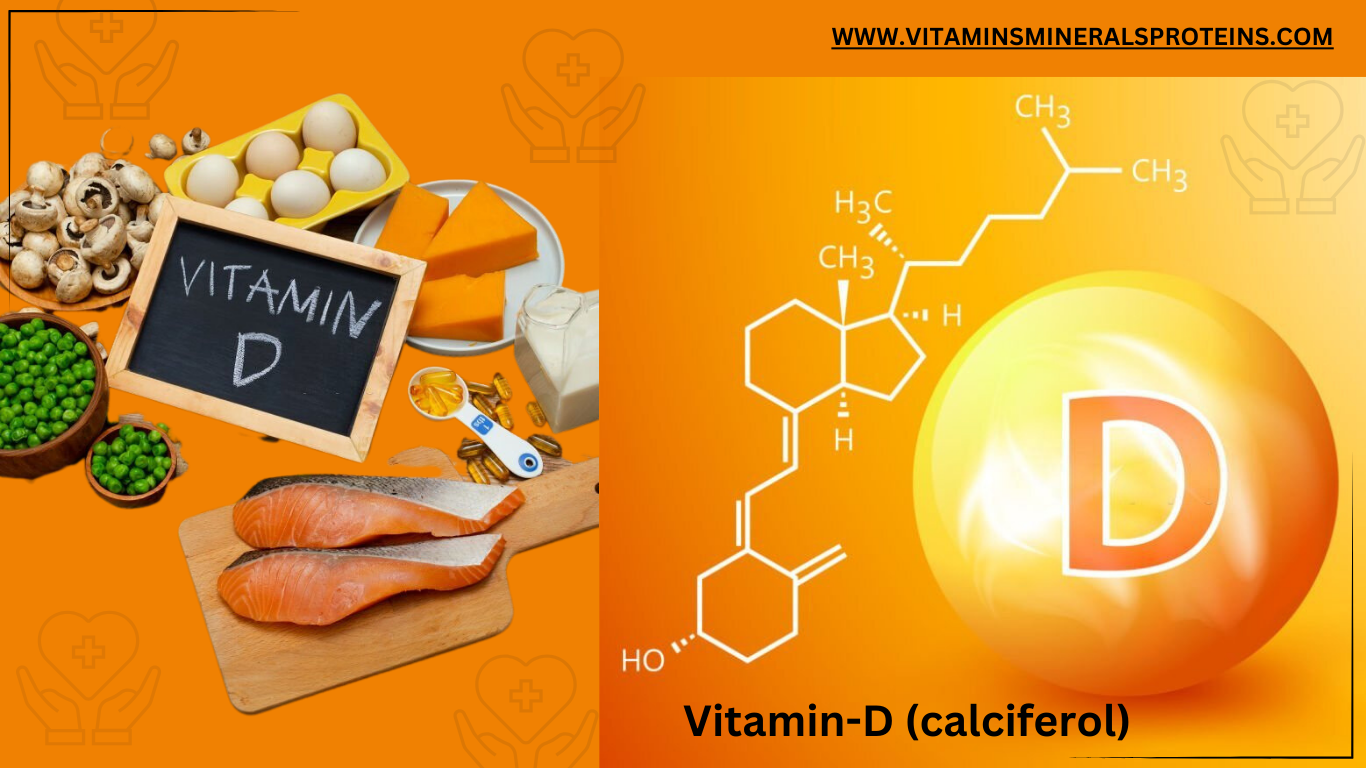
Vitamin D is a fat-soluble vitamin and plays an important role in many aspects of human health. It is mainly produced by the skin when exposed to sunlight, but it can also be obtained from certain foods and supplements. Vitamin D helps regulate the absorption of calcium and phosphorus, which are very essential for health of bones and teeth health. It also supports the normal functioning of the immune system and may protect against various diseases.
Read Nutrition Facts Label to Understand Nutrients Intake.
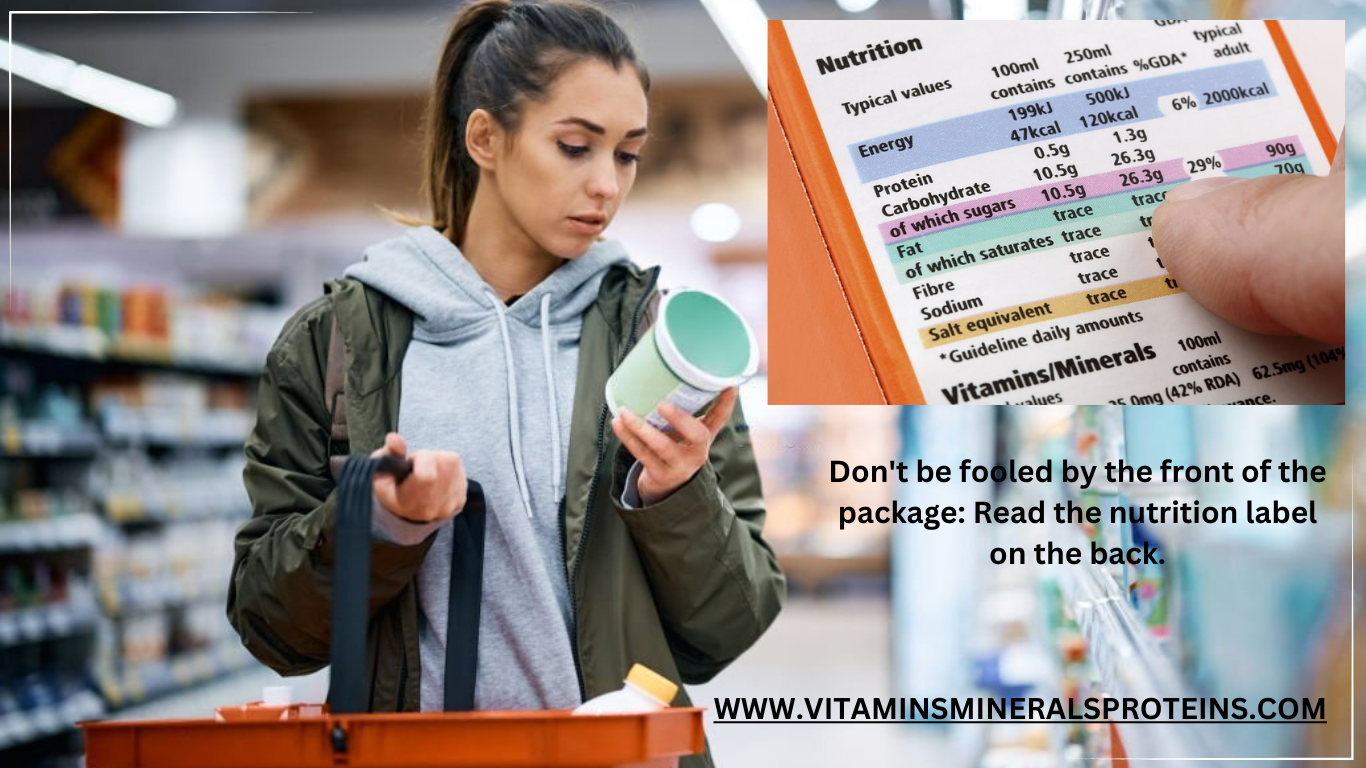
How to use nutrition facts label to boost your protein and vitamin intake? The nutrition facts label is a handy tool that can help you make healthy food choices. It provides information about the calories, nutrients, and ingredients in a food product. But do you know how to read and use the label effectively? In this blog post, we will explain how to understand and use the nutrition facts label to boost your protein and vitamin intake.
Vitamins, Minerals, and their Role in Premenstrual Syndrome
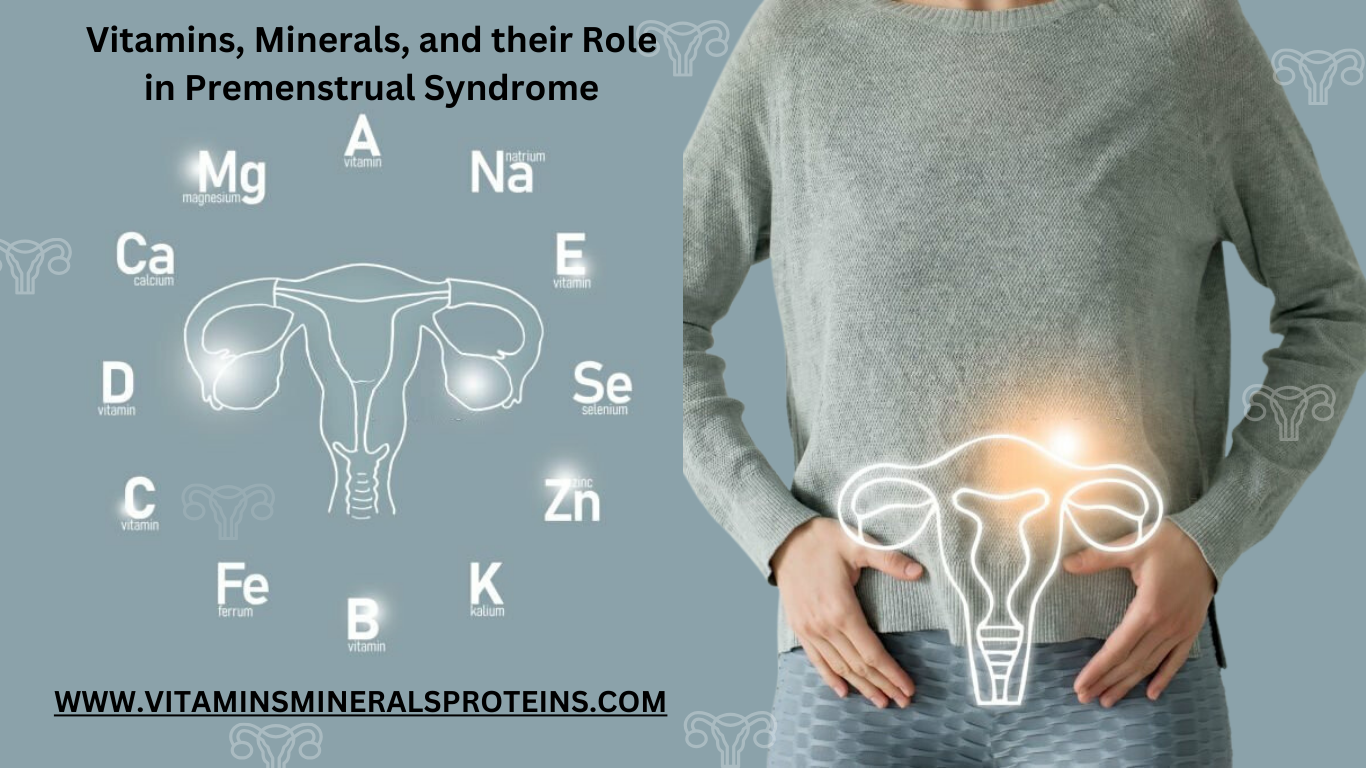
Premenstrual syndrome (PMS) affects millions of women worldwide, causing a range of physical and emotional symptoms that can significantly impact their quality of life. While it is impossible to completely prevent PMS, there are various strategies, including nutritional interventions, that can help alleviate its symptoms. In this article, we will explore the role of vitamins and minerals in managing PMS and discuss other dietary and lifestyle factors that can contribute to symptom relief.
Fat Soluble Vitamins- Elevate Your Wellness
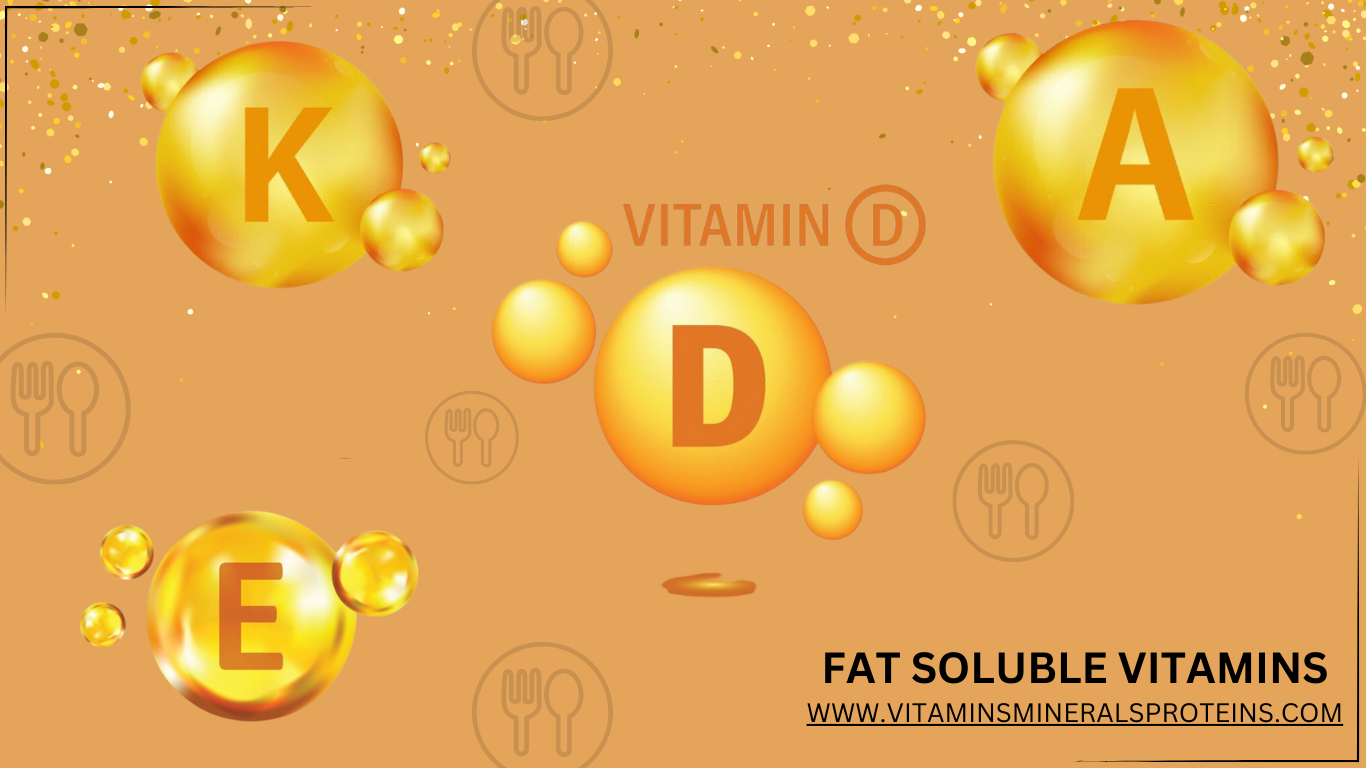
Your body requires vitamins as necessary nutrients to function correctly and maintain good health. Vitamins come in two varieties: fat-soluble and water-soluble. Vitamins that dissolve in water and are swiftly eliminated from your body include vitamins B and C. On the other hand, fat-soluble vitamins are kept in your body’s fat tissues and can build up over time. They are difficult to lose via perspiration or urine.
Water-soluble vitamins: Your essential guide

Our bodies require vitamins as necessary nutrients in order to function effectively. Vitamins can be divided into two categories: fat-soluble vitamins and water-soluble vitamins. Water-soluble vitamins (B and C) cannot be stored by the body and must be eaten often, whereas fat-soluble vitamins (A, D, E, and K) are kept in fat cells. Water-soluble vitamins play a vital role in many important bodily functions, including: energy production, metabolism, cell growth and repair, immune function and nervous system function.
Balanced Nutrition Diet- The basics you need to know

A balanced diet is one that gives your body all the nutrients it requires to operate correctly and fend against illnesses. Additionally, it aids in maintaining a healthy weight and a positive self-image. But what does a diet with a balance of nutrients look like? How can you be certain that you are consuming the proper foods in the appropriate quantities? We will provide answers to these queries and some advice on how to maintain a diet rich in a variety of nutrients in this blog post.
Proteins- The basics you need to know
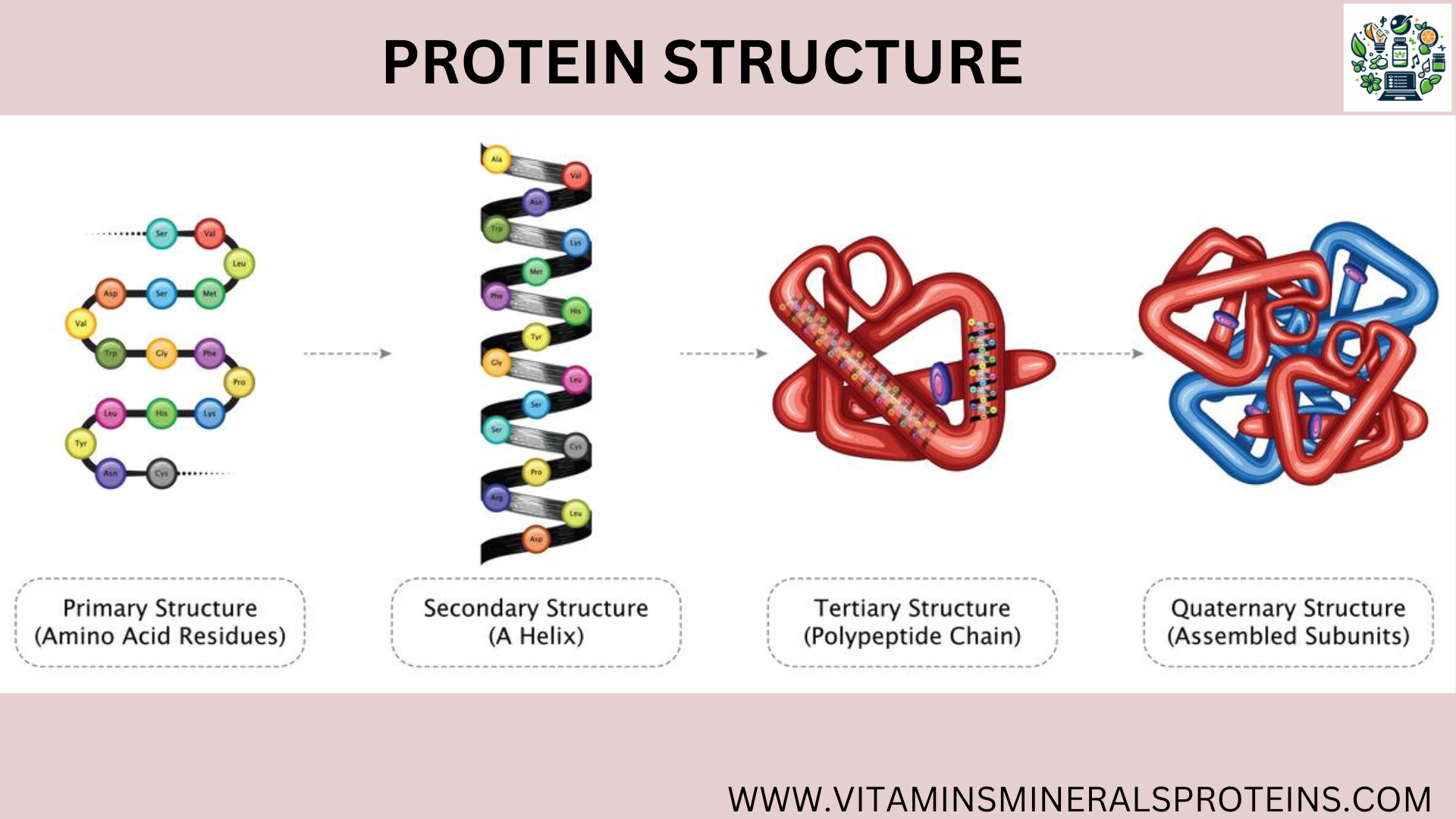
Proteins are like the superheroes of the human body. They perform a variety of essential functions, such as mending tissues, carrying oxygen, and even fighting diseases. Let’s set out on a quest to discover what proteins are, how they function, and why they are so important for our health in order to fully comprehend their significance.
Minerals Made Easy: Your Quick Guide to the Basics!
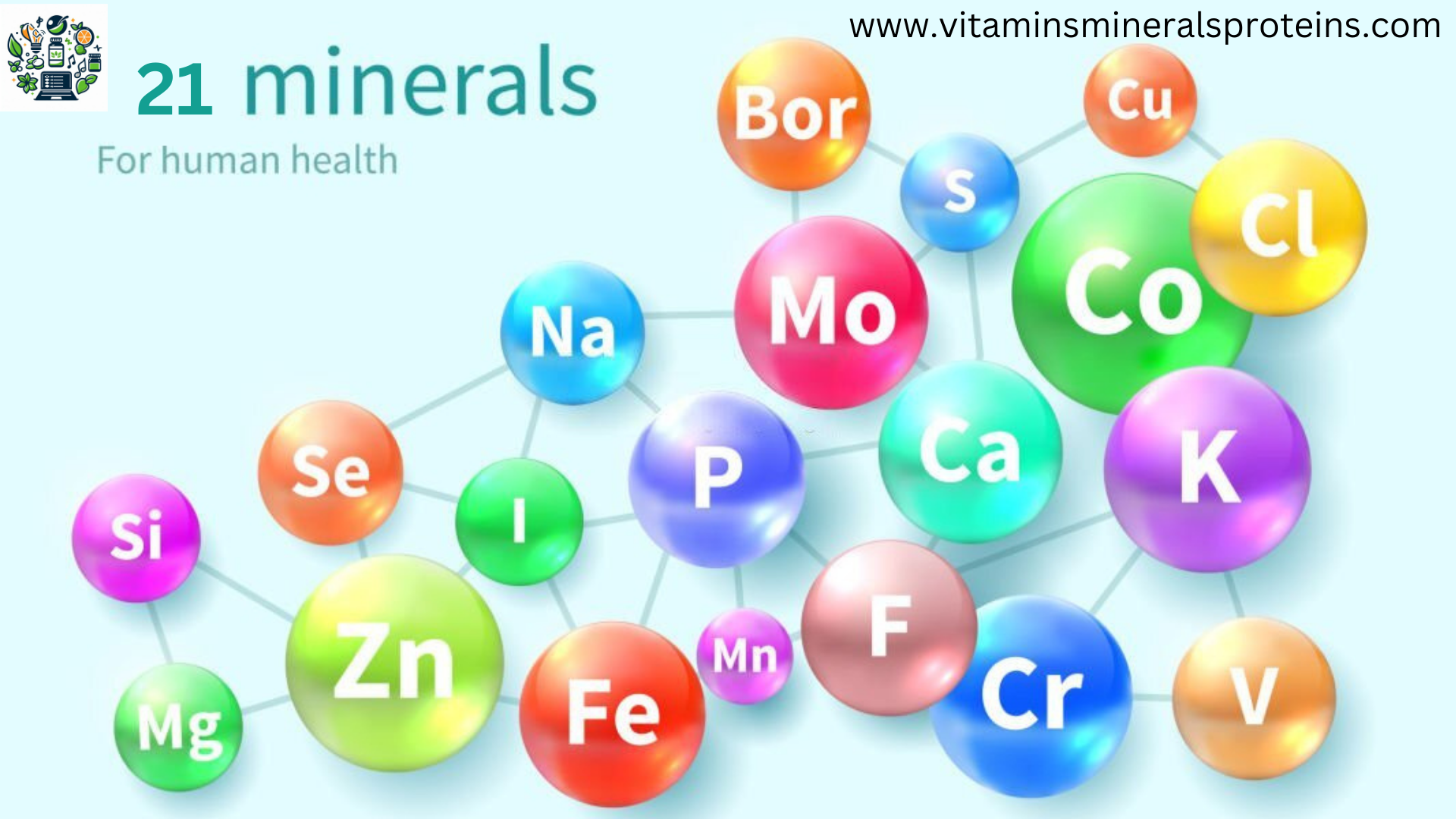
Your body must have access to minerals in order to operate effectively. They have a role in a variety of activities, including the development of strong bones, control of nerve and muscle activity, production of hormones and enzymes, and fluid homeostasis. But what precisely are minerals? How many different kinds of minerals exist? What foods are mineral-rich? What occurs if you don’t have enough of them, too?
Balance of Vitamins- The basics you need to know
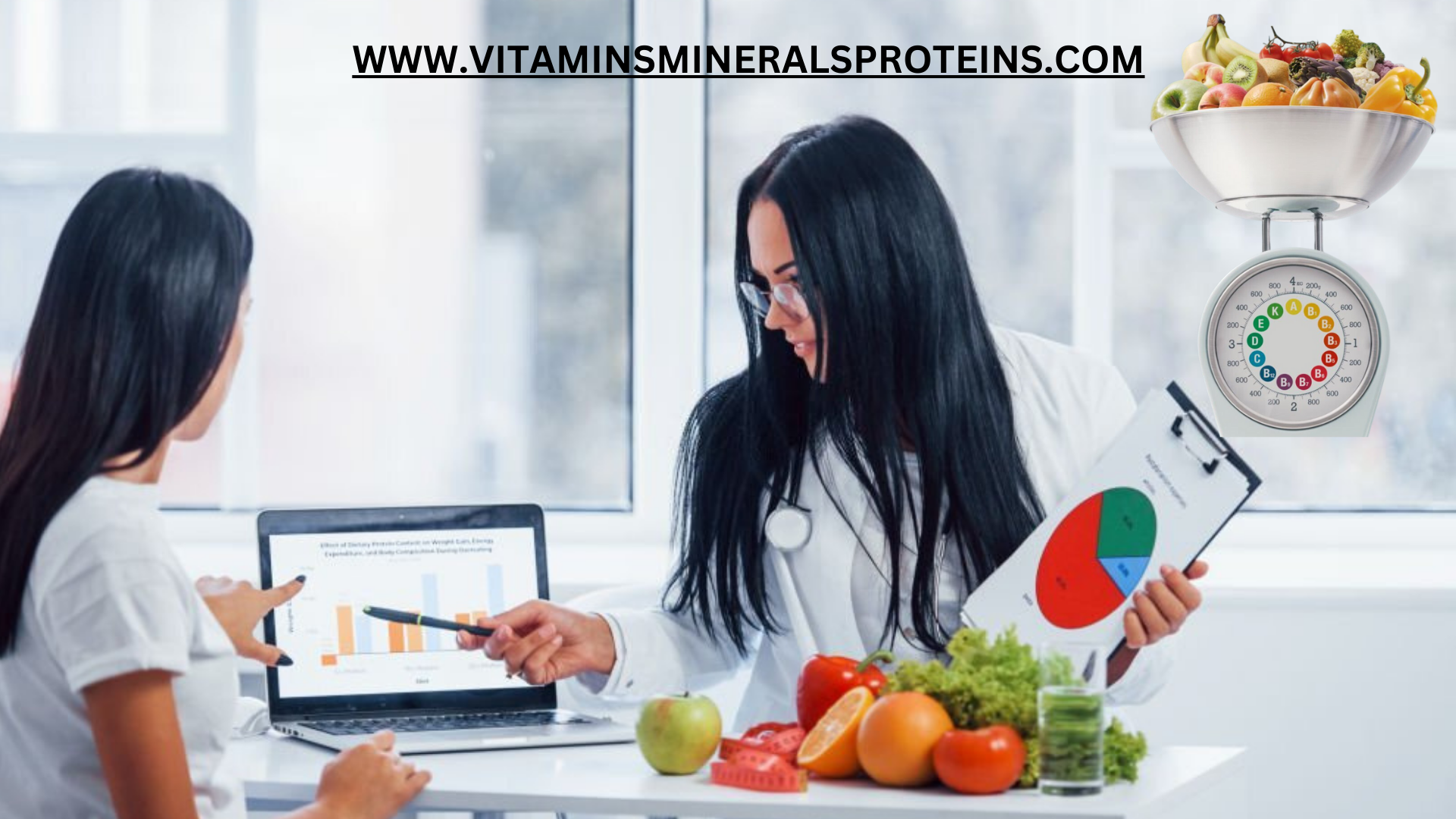
Our bodies require vitamins as necessary nutrients in order to function effectively. They aid in cellular and tissue regeneration, immune system stimulation, and the conversion of food into energy in our bodies. The majority of vitamins are not synthesised by the body, so we must consume them through food. There are 13 vitamins that are necessary, and they fall into two groups: water-soluble vitamins and fat-soluble vitamins.
Energize Your body: A Deep Dive into Essential Vitamins for Athlete Performance and Recovery
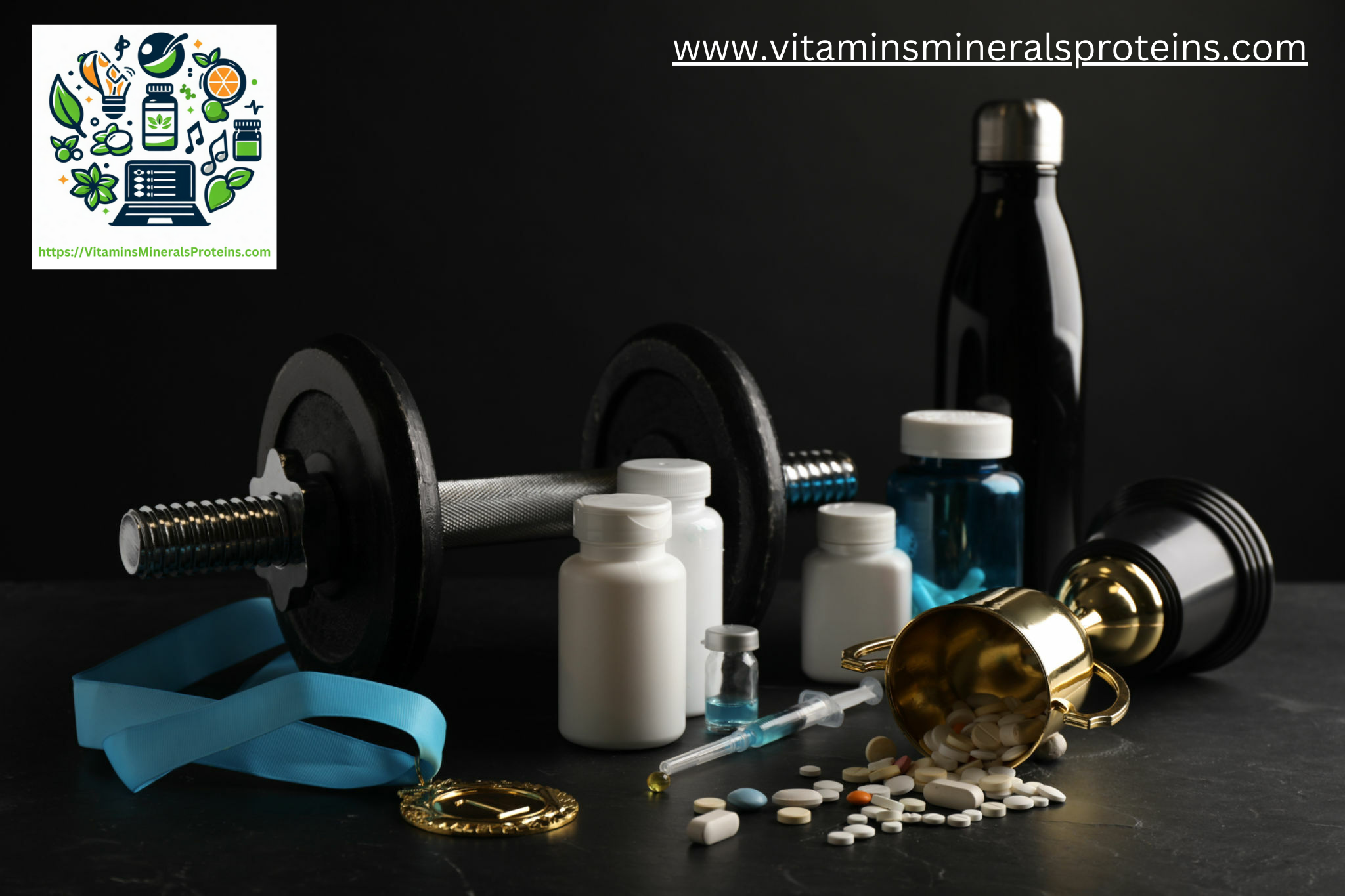
For athletes, the pursuit of excellence is a relentless quest. Every stride, every lift, every burst of speed pushes the body to its edge, demanding peak performance and a rapid return to full strength. In this arena, proper nutrition isn’t just a suggestion; it’s a weapon in the arsenal, and vitamins stand as vital ammunition. This comprehensive guide delves deep into the world of essential vitamins for athletes, exploring their intricate link to different sports, unveiling effective post-workout recovery strategies, and equipping you with the knowledge to fuel your athletic ambitions.
Beyond Biotin: The Cutting-Edge Guide to Vitamins for Healthy Hair
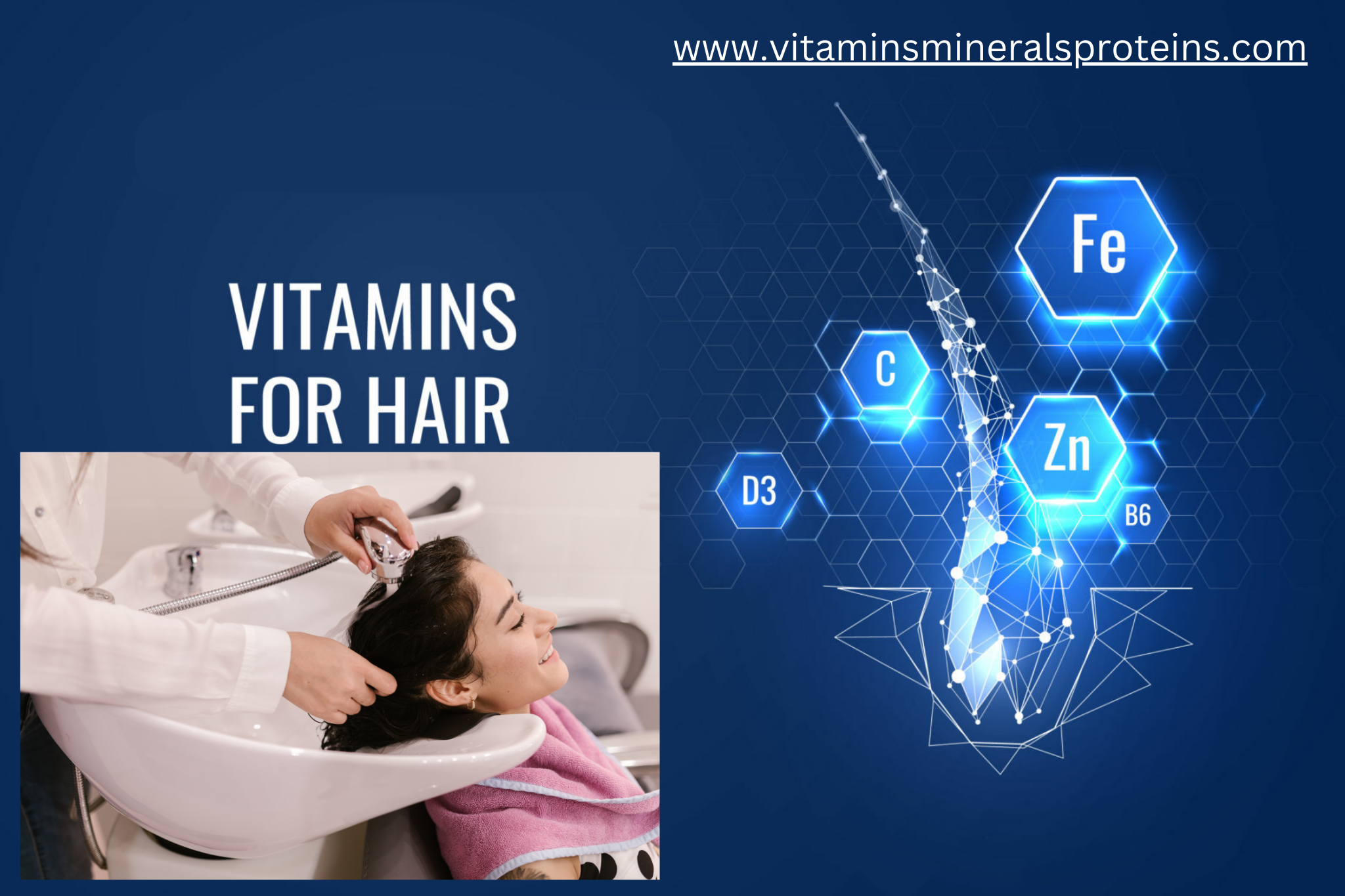
Picture your hair shining in the sunlight, a beautiful frame for your confident smile. But, oh no! Hair loss can ruin this image, leaving many confused with false information and promises that don’t come true. Don’t worry, brave hair warriors! This detailed guide reveals the real facts about vitamins and hair growth, clearing up old myths and sharing the latest science-backed tips to keep your hair healthy from roots to tips.
Outsmart Your Aches and Pains with These Vitamin Game Changers

As the years dance by, our bodies whisper changes – a creak in the knee here, a twinge in the back there. Can vitamins be the secret weapon in this battle against age-related aches and pains, helping us defy limitations and embrace active living? Absolutely! But navigating the vitamin aisle can feel like deciphering hieroglyphics. Confused about vitamins and staying active? Don’t be! This blog will crack the code to living your best life at any age, thanks to the power of vitamins.
Soak Up the Sun (Safely!): Natural Ways to Optimize Your Vitamin D Levels for Strong Immunity, Radiant Health, and More

In the age of chronic stress and a lingering pandemic, prioritizing our health has never been more crucial. While we can meticulously pack our plates with colorful vegetables and chug down antioxidant-rich smoothies, one essential nutrient often gets overlooked: vitamin D. This “sunshine vitamin” plays a starring role in numerous bodily functions, from building strong bones to bolstering our immune defences.
Protein Power: Whey, Casein, and Beyond: Cracking the Code to Optimal Fitness

Protein, the building block of our muscles, organs, and tissues, plays a crucial role in overall health. For fitness enthusiasts and athletes, optimizing protein intake is key to boosting muscle growth, enhancing recovery, and maximizing performance. And that’s where the world of protein supplements comes in, offering a convenient and often concentrated way to meet your protein needs. But with a dizzying array of options – whey, casein, plant-based, blends – the question arises: which one is right for you? Fear not, protein enthusiasts! This comprehensive guide delves into the protein supplement universe, cracking the code for optimal fitness through informed choices.
Unveiling the Truth: Dispelling Misunderstandings, about Minerals, Vitamins and Proteins
The symphony of life within our bodies is orchestrated by minerals, much like quiet conductors in an orchestra. These modest substances, which affect everything from bone density to immunity and energy levels, are the cornerstone of optimal health, despite frequently being overlooked by their more glamorous cousins, vitamins and proteins. We’ll dive into the intriguing realm of key minerals covering their important functions, current research, and useful advice to make sure you create the ideal mineral symphony.

Frequently Asked Questions 
How does the body absorb vitamins and minerals?
The body absorbs vitamins and minerals during digestion. Water-soluble vitamins, like B and C, are absorbed directly into the bloodstream. Fat-soluble vitamins, like A, D, E, and K, are absorbed in the small intestine along with dietary fat. Minerals are absorbed in the small intestine too, but their absorption can be influenced by other dietary factors. For example, vitamin C can enhance iron absorption, while excessive intake of zinc can interfere with copper absorption. Always consult a healthcare provider for personalized advice.
How do cooking and processing foods affect their vitamin and mineral content?
Cooking and processing can impact the nutrient content of foods. Heat, light, and oxygen can degrade certain vitamins, while others can leach into cooking water. For instance, water-soluble vitamins like B and C are particularly susceptible to loss during cooking. However, it’s not all negative. Some nutrients, like lycopene in tomatoes or beta-carotene in carrots, become more bioavailable after cooking. Therefore, a mix of raw and cooked foods can help maintain a balance of nutrients in your diet.
What are some common misconceptions about vitamins, minerals, and proteins?
There are several misconceptions about vitamins, minerals, and proteins. Some people believe that taking more vitamins and minerals than the recommended daily allowance is beneficial for health, but this is not always true and can sometimes be harmful. Another misconception is that all proteins are the same. In reality, there are different types of proteins, each with its own unique profile of essential amino acids. It’s also a myth that you can only get high-quality protein from animal sources. Many plant-based foods are excellent sources of protein. Always consult with a healthcare provider for personalized advice.
What are the different types of vitamins and minerals?
Vitamins are classified into two groups: fat-soluble (vitamins A, D, E, and K) and water-soluble (B vitamins and vitamin C). Fat-soluble vitamins are stored in the body’s fatty tissue, while water-soluble vitamins must be replenished regularly as they’re excreted in urine.
Minerals are categorized as macrominerals (such as calcium, phosphorus, magnesium, sodium, potassium, chloride, and sulfur) and trace minerals (such as iron, manganese, copper, iodine, zinc, cobalt, fluoride, and selenium). Both types are crucial for health but needed in different amounts. Remember to consult with a healthcare provider for personalized advice.
What happens if I don’t get enough vitamins, minerals, or proteins?
Insufficient intake of vitamins, minerals, or proteins can lead to various health issues. For instance, vitamin deficiencies could cause problems like scurvy (vitamin C deficiency) or rickets (vitamin D deficiency). Mineral deficiencies could lead to conditions like anemia (iron deficiency) or osteoporosis (calcium deficiency). Protein deficiency can lead to muscle wasting and weakened immunity. It’s important to maintain a balanced diet or consult a healthcare provider if you suspect a deficiency.
What are the 13 vitamins called?
The 13 vitamins your body needs are vitamin A, C, D, E, K, B1 (Thiamine), B2 (Riboflavin), B3 (Niacin), B5 (Pantothenic Acid), B6 (Pyridoxine), B7 (Biotin), B9 (Folate) and B12 (Cobalamin).
Are there any specific diets that can help me get more vitamins, minerals, and proteins?
Yes, certain diets can help you increase your intake of vitamins, minerals, and proteins. For instance, a balanced diet that includes a variety of foods from all food groups can provide a wide range of nutrients. Diets rich in fruits, vegetables, whole grains, lean proteins, and dairy products are often high in these nutrients. However, individual needs can vary greatly based on factors like age, sex, weight, and physical activity level. Therefore, it’s always best to consult with a healthcare provider or a registered dietitian for personalized dietary advice.
Why are vitamins, minerals, and proteins important for our body ?
Vitamins, minerals, and proteins play crucial roles in our bodies. Vitamins and minerals are essential nutrients that perform hundreds of roles, from converting food into energy to repairing cellular damage. Proteins are the building blocks of life, used to make muscles, skin, hair, and other body tissues. They also play a key role in immune responses, carry oxygen throughout the body, and assist in energy metabolism. However, individual needs can vary greatly based on factors like age, sex, weight, and physical activity level. Therefore, it’s always best to consult with a healthcare provider or a registered dietitian for personalized dietary advice.
 VITAMINPRO